Quickbooks Proadvisor Program 8

QuickBooks ProAdvisor Program for Accountants Intuit Quickbooks

The grace period is an opportunity we offer to members affected by a downward tier movement. The grace period starts when your point balance drops below the required level for the tier you are in. During the grace period, members maintain their access to current benefits and discounts for a determined period. Besides contributing a high level of expertise, we work for your benefit. Our team is invested in your success and ready to offer guidance on everything from the accounting software you use to the overall financial health of your business.

Software setup and customization

Here, you can explore the different QuickBooks certifications available. You can choose between “Foundation” certifications, which cover the core aspects of QuickBooks, and “Specialty” Quickbooks Proadvisor Program certifications, which focus on specific areas like payroll or advanced reporting. You can enroll in courses or take exams to test out of some courses (but you won’t earn CPE credits this way). You’ll need to understand core concepts like accounts payable, accounts receivable, and reconciling accounts. While you don’t need a CPA license, practical accounting experience will be invaluable.

This specialized knowledge translates to streamlined processes and accurate financial management. For businesses seeking further automation, consider exploring resources like Accruer software. The ProAdvisor program offers valuable perks, including free access to QuickBooks Online, payroll, and time-tracking software. These benefits can save you money and provide the resources you need to manage your own practice efficiently. You’ll also receive discounts on related apps and services, plus priority customer support from Intuit.

As QuickBooks evolves, ProAdvisors stay tuned with the latest features and updates, ensuring that they can always provide the most current and effective advice. Accelerate your professional development with actionable, live trainings taught by Advanced Certified ProAdvisors. Earn CPE credits and learn however you like—from webinars to virtual conferences to in-person events. Accruing tax liabilities in accounting involves recognizing and recording taxes that a company owes but has not yet paid.

  • Your points balance changes when the action that earned them is no longer valid.
  • Such notice is not intended nor will it have the effect of relieving the Participant of any liability under this Agreement or applicable law.
  • Intuit will use this information as described in its Privacy Statement.
  • Certification can enhance your job prospects and help you stand out in a competitive job market.
  • Your points do not expire, however, your balance changes when the action that earned them is no longer valid.

Switch to QuickBooks Online in 3 easy steps

Continued professional education and certifications are essential for maintaining motivation and growth. The QuickBooks ProAdvisor certification has different levels, starting with the core QuickBooks Online certification. Once you’ve earned this foundational certification, you can explore other specialized certifications, such as in payroll or advanced reporting. These additional certifications can help you attract clients with specific needs and position you as a true QuickBooks expert. The ProAdvisor program offers various courses to help you expand your skillset.

New Benefits of the ProAdvisor Program

This proactive approach will enhance your own understanding and position you as a valuable resource for your clients. The more you engage with the software, the more proficient you’ll become. Consider offering training sessions to your clients to help them adapt to new updates and features. The ProAdvisor Academy offers more in-depth training and is accessible through your QuickBooks Online Accountant firm.

What Are the Benefits of Hiring a QuickBooks Certified ProAdvisor?

This is complemented by an increased Mailchimp discount on the Standard Plan and new accountant-approved app recommendations. All payment(s) shall be made to you in U.S. dollars via direct deposit to the bank account added by you upon enrollment in the Revenue Share Program. As a QuickBooks ProAdvisor, you’re more than just a software expert; you’re a problem-solver. Clients will come to you with a range of challenges, from basic bookkeeping questions to complex integration issues.

The bounty will be paid the first week of the month following the first payment of the referred clients Intuit Enterprise Suite contract. Here are some sample cases to show how your revenue share is calculated. If you recovered the missing points, during the 90 days, you continue to stay at the current tier; otherwise, you will be in the tier corresponding to current account status. Get the desktop software and training you need to maximize productivity, at an exclusive QuickBooks ProAdvisor price. Help differentiate yourself in the marketplace by showcasing the certification badges you earn in our ProAdvisor Academy.

  • The training covers various aspects of QuickBooks, from basic functionalities to advanced features and best practices.
  • Just like any professional partnership, finding the right fit is essential.
  • Premium customer care (phone and chat support) is now available for Gold tier ProAdvisors and above.
  • This is like adding a GPS to your car—it helps you target specific client needs and stand out from the crowd.

Troubleshooting and technical support

It’s wise to work with a QuickBooks ProAdvisor to get the best out of your software. A certified ProAdvisor has the expertise and knowledge to set up, manage and leverage your account to track your revenue, expenses and cash flow. They have resources and know-how to help you make the most out of the tools. They’ll also give you access to excellent customer service and support.

How do I publish my profile?

It’s completely free to set up and doesn’t require any credit card information. This account will be your central hub for managing your ProAdvisor journey. When you’ve finally become a QuickBooks ProAdvisor, you should take steps to promote your status.

Quickbooks Proadvisor Program

The software provides an automatic sync of your clients’ transactions with QuickBooks Online or Desktop version reducing manual bookkeeping and accounting processes. The QuickBooks ProAdvisor certification program is directly offered and administered by Intuit. The program involves a structured learning path through self-paced training modules with practice exercises. ProAdvisors help clients leverage features for payroll, invoicing, expense tracking, and comprehensive financial reports. Many ProAdvisors specialize in particular QuickBooks versions, such as Online, Desktop, Payroll, or Enterprise Solutions.

If you don’t pass within three tries, you’ll need to wait 30 days before retaking the exam. This structure ensures you have ample opportunity to prepare and demonstrate your skills. All the study materials you need are available within the ProAdvisor Academy. The platform is user-friendly and well-organized, making it easy to find what you need.

The Revenue share program discount rates are the same as the ProAdvisor Preferred Pricing payments discount rates (see details). However, if clients have previously processed QuickBooks Payments with the ProAdvisor discount, they will no longer be eligible to be invited to Payments Revenue Share. Accountants can still receive ProAdvisor Preferred Pricing for payments while participating in Payments Revenue Share. The firm is eligible to receive Revenue Share for 3 years starting from the date a client is added to the program.


accounting for startups everything you need to know in 2023 3

Accounting Overview, Principles, Examples, Importance, & Facts

For a breakdown on the differences between an accountant and a CPA, check out “Is a CPA the Same as an Accountant? Inaccurate reporting can also result in legal problems with external parties, such as investors or the IRS (Internal Revenue Service). For years, there has been a push to move the United States to follow IFRS, as IFRS is generally considered to be a better system than GAAP. This may have to do with the fact that the IFRS is more ‘principles-based’, while GAAP is more ‘rules-based’. Most other countries, including Canada, Australia and Mexico, follow the rules set down by the IFRS (International Financial Reporting Standards) Foundation, which is headquartered in London, England.

Accountant vs. CPA vs. Tax Pro

These systems can be cloud based and available on demand via application or browser, or available as software installed on specific computers or local servers, often referred to as on-premise. Accounting can be classified into two categories – financial accounting and managerial accounting. Accounting is by far one of the most important and prevalent fields in the world today. Its use in organizing business transactions and meeting regulatory requirements makes it a field that requires extensive knowledge and study. Larger companies often have much more complex solutions to integrate with their specific reporting needs. The Alliance for Responsible Professional Licensing (ARPL) was formed in August 2019 in response to a series of state deregulatory proposals making the requirements to become a CPA more lenient.

Mathematical skills are helpful but are less important than in previous generations due to the wide availability of computers and calculators. When the client pays the invoice, the accountant credits accounts receivables and debits cash. Double-entry accounting is also called balancing the books, as all of the accounting entries are balanced against each other. If the entries aren’t balanced, the accountant knows there must be a mistake somewhere in the general ledger.

However, lenders also typically require the results of an external audit every year as part of their debt covenants. By 1880, the modern profession of accounting was fully formed and recognized by the Institute of Chartered Accountants in England and Wales. In the United States, the requirements for joining the AICPA as a Certified Public Accountant are set by the Board of Accountancy of each state, and members agree to abide by the AICPA’s Code of Professional Conduct and Bylaws.

It’s also worth noting that while all CPAs are accountants, not all accountants are CPAs. Tax professionals include CPAs, attorneys, accountants, brokers, financial planners and more. Their primary job is to help clients with their taxes so they can avoid paying too much or too little in federal income or state income taxes. The golden rules help people to understand how debits and credits are applied to the three types of accounts. The role of an accountant is to responsibly report and interpret financial records. Cost accounting focuses on a detailed break-up of costs for effective cost control.

Managerial and Cost Accounting Study Guide

accounting for startups: everything you need to know in 2023

This is so they can strategically plan its future expenditures in order to maximize profit. Accounting principles and standards, such as US GAAP (Generally Accepted Accounting Principles) or IFRS (International Financial Reporting Standards), are standards that are widely adopted in financial accounting. The accounting standards are important because they allow all stakeholders and shareholders to easily understand and interpret the reported financial statements from year to year. Because their reports are regularly scrutinized by oversight agencies, accountants are required to adhere to a uniform set of accounting standards. These rules specify how to record income, expenditures, assets, and losses, so that auditors have an objective view of the organization’s financial health.

  • It’s similar to financial accounting, but this time, it’s reserved for internal use, and financial statements are made more frequently to evaluate and interpret financial performance.
  • This can be a great option if you want to ensure your books are in order, and that your company’s financial information is accurate, but it does come with some drawbacks.
  • In addition, quantitative data are now supplemented with precise verbal descriptions of business goals and activities.
  • Without accounting, investors would be unable to rely on timely or accurate financial information, and companies’ executives would lack the transparency needed to manage risks or plan projects.

Bookkeeping Certificate of Excellence

Managerial accounting uses much of the same data as financial accounting, but it organizes and utilizes information in different ways. In managerial accounting, an accountant generates monthly or quarterly reports that a business’s management team can use to make decisions about how the business operates. A certified public accountant (CPA) is a type of professional accountant with more training and experience than a typical accountant.

. Cash Flow Statement

This is the act of tracking and reporting income and expenses related to your company’s taxes. You don’t want to be in a situation where you have to pay more income tax than is normally required by the Internal Revenue Service (IRS). In accounting, you’ll come across certain titles which appear to bear similar duties but actually have unique job descriptions.

Most companies would not be able to operate without an accountant, as it’s an accountant’s job to report through financial statements the company’s economic health. Only through these financial statements can a company’s accounting for startups: everything you need to know in 2023 management make informed decisions about how to properly allocate resources to projects, by directing how to spend or invest the company’s money. Accounting is a term that describes the process of consolidating financial information to make it clear and understandable for all stakeholders and shareholders. The main goal of accounting is to record and report a company’s financial transactions, financial performance, and cash flows.

  • Accounting is the profession of tracking the assets or cash flows of a company or other large organization, and recording how its finances spent.
  • Essentially, cost accounting considers all of the costs related to producing a product.
  • Tax accounts balance compliance with reporting rules while also attempting to minimize a company’s tax liability through thoughtful strategic decision-making.
  • Accountants may become certified with designations, such as Certified Public Accountant (CPA) in the U.S., Chartered Accountant (ACA) in the U.K., Chartered Professional Accountant (CPA) in Canada, and so on.
  • In the United States, for example, publicly traded companies are required to furnish a document commonly identified as “management’s discussion and analysis” as part of the annual report to shareholders.

The whole point is to give you an idea of what’s working and what’s not working so that you can fix it. Equity accounts deal with income or expenses not directly related to the products or services it provides, such as stocks or retained earnings (money to be invested back into a business). In recent years, there has been a growing demand on the part of stakeholders for information concerning the social impacts of corporate decision making. Increasingly, companies are including additional information about environmental impacts and risks, employees, community involvement, philanthropic activities, and consumer safety.

It’s useful for small businesses and freelancers who don’t have the resources to hire an accountant or bookkeeper. Besides, this frees up time so you can focus on running your business smoothly. Check out our recent piece on the best accounting software for small businesses.

Accountants are responsible for maintaining records of a company’s daily transactions and compiling those transactions into financial statements such as the balance sheet, income statement, and statement of cash flows. Accountants also provide other services, such as performing periodic audits or preparing ad-hoc management reports. Accounting is the process of recording financial transactions pertaining to a business or other large organization. The accounting process includes summarizing, analyzing, and reporting these transactions to oversight agencies, regulators, and tax collection entities.

Control your data with confidence

Bookkeeping focuses on recording and organizing financial data, including tasks, such as invoicing, billing, payroll and reconciling transactions. Accounting is the interpretation and presentation of that financial data, including aspects such as tax returns, auditing and analyzing performance. You can outsource your accounting work to outside professionals who specialize in bookkeeping and tax preparation. Outsourcing can offer many advantages because it allows you to take advantage of specialized skill sets that may not be available when hiring someone in-house. To accountants, the two most important characteristics of useful information are relevance and reliability.

14 1: Retained Earnings- Entries and Statements Business LibreTexts

normal balance for retained earnings

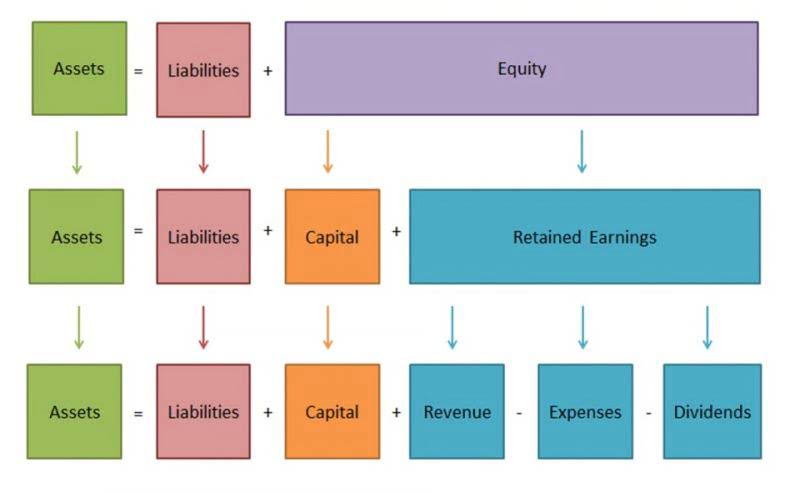
It’s the aggregate of all profits and losses, including dividends, that have not been passed through to shareholders. The normal balance of retained earnings is a credit, which means it increases when a business earns or retains a profit and decreases when a business incurs a loss. Retained earnings can be used to fund future operations or pay off normal balance for retained earnings debts, making it an important part of a business’s financial health. Equity accounts, including retained earnings, generally increase with credit entries and decrease with debit entries.

Retained Earnings in Financial Statements

When companies declare dividends, the amount is deducted from their retained earnings. Therefore, the more often a company pays dividends to its shareholders, the more its retained earnings balance gets reduced. In order to maintain their retained earnings, some companies do not pay dividends to their shareholders. This characteristic aligns with the principles of double-entry accounting, where every transaction affects at least two accounts, with debits always equaling credits. If your business currently pays shareholder dividends, you’ll need to subtract the total paid from your previous retained earnings balance.

Understanding retained earnings debit or credit

normal balance for retained earnings

There are many reasons why a company might decide to establish an appropriated account, but the main reason has to do with large projects. Large projects like building infrastructure, research and development, and marketing can take a large percentage of a company’s resources. Net income is often called the “bottom line” and appears at the bottom of your income statement. According to the provisions in the loan agreement, retained earnings available for dividends are limited to $20,000.

How to calculate the effect of a stock dividend on retained earnings

  • If the company then pays $5,000 in dividends, retained earnings would be debited, reducing the balance to $115,000.
  • Companies whose revenues and gains are higher than their losses and expenses usually have a positive net income.
  • Retained earnings holds a prominent position on a company’s financial statements, providing insight into its financial health and historical profitability.
  • The decision to pay dividends is often influenced by the company’s financial health, market conditions, and long-term strategic goals.
  • This is a rule of accounting that cannot be broken under any circumstances.
  • This is especially true for companies that have a large number of shareholders to pay dividends to, those with a high dividend payment rate, or those who often reinvest profits back into the business.

This placement highlights its role as a claim on the company’s assets by its owners, derived from reinvested profits. The statement of retained earnings, often presented alongside the balance sheet, provides a detailed account of changes in retained earnings over a specific period. This statement begins with the opening balance of retained earnings, adds the net income for the period, and subtracts any dividends paid out. This transparency allows investors and analysts to track how a company’s retained earnings evolve, offering a clearer picture of its financial trajectory and strategic decisions. In the event of a business closure or liquidation, the “carry over” of retained earnings effectively ceases for that entity.

The Language of Accounting: Debits and Credits

normal balance for retained earnings

This can make a business more appealing to investors who are seeking long-term value and a return on their investment. Don’t forget to record the dividends you paid out during the accounting period. It’s important to note that retained earnings are cumulative, meaning the ending retained earnings balance for one accounting period becomes the beginning retained earnings balance for the next period. The retained earnings are calculated by adding net income to (or subtracting net losses from) the previous term’s retained earnings and then subtracting any net dividend(s) paid to the shareholders. On the other hand, the stock payment transfers part of the retained earnings to common stock.

Beginning of Period Retained Earnings

So, in this example, you can see how the Retained Earnings account increases with a credit entry (from net income) and decreases with a debit entry (from dividends). The normal balance of the Retained Earnings account, which is a credit balance, represents the accumulated net earnings of ABC Corporation that have been retained in the business. The amount of a corporation’s retained earnings is reported as a separate line within the stockholders’ equity section of the balance recording transactions sheet.

normal balance for retained earnings

This increase in retained earnings https://www.hotelbacka.rs/easy-to-use-accounting-software/ is credited to Retained Earnings Account. According to FASB Statement No. 16, prior period adjustments consist almost entirely of corrections of errors in previously published financial statements. Corrections of abnormal, nonrecurring errors that may have been caused by the improper use of an accounting principle or by mathematical mistakes are prior period adjustments.

When the retained earnings balance is less than zero, it is referred to as an accumulated deficit. If a company’s retained earnings are less than zero, it is referred to as an accumulated deficit. This may be the case if the company has sustained long-term losses or if its dividends exceed its profits. Retained earnings are the cumulative net earnings or profits a company keeps after paying dividends to shareholders. Dividends are the last financial obligations paid by a company during a period.

normal balance for retained earnings

Retained earnings, shareholders’ equity, and working capital

If a credit is made to the retained earnings account, a corresponding debit has to be made to another account. If you see your beginning retained earnings as negative, that could mean that the current accounting cycle you’re in has a larger net loss than your beginning balance of retained earnings. For example, if the dividends a company distributed were actually greater than retained earnings balance, it could make sense to see a negative balance. Instead, they reallocate a portion of the RE to common stock and additional paid-in capital accounts. This allocation does not impact the overall size of the company’s balance sheet, but it does decrease the value of stocks per share.

Ethics And Independence 8

Independence: Upholding Professional Ethics by Auditing Standards Board

They represents the last, but no less important piece of the revised and restructured Code and will have the same effective date – June 2019. A few months after the April 2018 release of the revised and restructured Code, the IESBA released revised inducement provisions. Those revised provisions clarify the meaning of inducements, and introduce a more robust and comprehensive framework which clearly delineates the boundaries of acceptable inducements and guides the behaviors of PAIBs and PAPPs in all situations involving inducements. Central to this framework is a new intent test that prohibits the offering or accepting of inducements where there is actual or perceived intent to improperly influence the behavior of the recipient or of another individual.

Ethics And Independence

Statutory regulated services overseen by ICAEW

  • Substantive revisions have been made to better explain how firms and network firms are to apply the conceptual framework to deal with independence threats created when NAS are provided to audit and assurance clients.
  • Auditors should not disclose any confidential information obtained during the course of their work unless there is a legal or professional obligation to do so.
  • Independence in accounting is not just a professional requirement; it is the cornerstone of trust that upholds the entire profession.
  • In conclusion, maintaining objectivity is crucial for auditors to uphold professional ethics and provide reliable audit reports.
  • The e-code will be more user friendly and provide greater ease of navigation and functionality.

The GEO, under the direction of the Global Ethics and Independence Leader, is responsible for overseeing the timely maintenance of the GRT by Member Firms and for overseeing the adequate functioning of the relevant policies and processes. Member Firm partners and professional employees are required to consult the GRT and take such other precautions that are considered necessary in the circumstances to ensure compliance with the RSM Ethics and Independence policies with respect to financial, business, family, or employment interests. Annually, Member Firms are required to perform procedures sufficient to assess the completeness and accuracy of their client information required to be included on the GRT and report accordingly to the GEO.

Table: DOL Independence vs. AICPA/PCAOB

  • The ASB monitors compliance with auditing standards and takes necessary actions to enforce them.
  • Installments include useful links to access relevant resources, including content in the IESBA Code.
  • ACCA Singapore is currently offering a special subsidy to active members, affiliates and students so as to support them in their professional development.
  • It is through the examination of these examples that we can better understand the critical role of independence and the need for continuous vigilance in its preservation.
  • This can occur when auditors have longstanding relationships with clients or when they have personal connections with key personnel.

Auditors must ensure that their actions and relationships do not create any perception of bias or compromise their ability to exercise professional judgment objectively. For instance, auditors should avoid engaging in activities that could be seen as a conflict of interest, such as investing in companies they audit or accepting gifts or favors from clients. In conclusion, the framework for establishing ethical standards is a cornerstone of the auditing profession.

2.8 Common Pitfalls and Best Practices

As auditors, it is crucial to remain impartial and unbiased in our work, ensuring that our judgments and decisions are based solely on the evidence and facts at hand. By doing so, we can uphold professional ethics and provide reliable and trustworthy audit reports. In the realm of accounting ethics, the concepts of independence and interdependence are not mutually exclusive; rather, they form a dynamic continuum that professionals must navigate with care. It is the principle that mandates auditors to remain unbiased and detached from the entities they audit, ensuring that their judgments are not influenced by personal or financial relationships. This independence is critical for the credibility of financial reports, as stakeholders rely on the impartiality of financial assessments to make informed decisions. The legal framework and professional standards surrounding independence in accounting ethics form a complex tapestry of rules and guidelines.

Articles on ethics and independence

A personal violation could result from a covered person’s spouse owning stock in an audit client or having a prohibited loan whereas a violation by the firm might involve performance of prohibited advisory services, a contingent fee arrangement, or failure to obtain audit committee pre-approval. To meet this quality objective, communication to the appropriate person(s) in the firm should be timely. (2) The firm identifies, evaluates, and responds to conditions, events, relationships, or activities that could constitute violations of E&I requirements on a timely basis.

During these difficult times, professional accountants must continue to comply with the International Code of Ethics for Professional Accountants, (including International Independence Standards). The Report surveys the technology landscape and summarizes Ethics And Independence the outcomes of the Working Group’s fact-finding into the ethics implications of innovative technologies such as artificial intelligence, blockchain and cloud computing. It explores through the ethical lens various related issues, including data governance, cybersecurity, and reliance on, or use of, experts, and provides insights into those issues and the questions they raise. The Report includes ten recommendations which the IESBA will further consider, some of which it is already addressing in developing technology-related revisions to the Code. The revisions to the IIS will be effective for audits and reviews of financial statements for periods beginning on or after December 15, 2024.

Ethics And Independence

STRENGTHENING INDEPENDENCE

There are also new express prohibitions on the provision of certain types of non-assurance services to audit clients that are PIEs. For example, firms cannot provide such services to a PIE client in circumstances where the provision of that service might create a self-review threat to the firm’s independence. SMPs should take note of the revisions to the independence provisions relating to the provision of non-assurance services (NAS) to audit and assurance clients. Substantive revisions have been made to better explain how firms and network firms are to apply the conceptual framework to deal with independence threats created when NAS are provided to audit and assurance clients.

For instance, the Sarbanes-Oxley Act of 2002 in the United States significantly tightened the requirements for auditor independence. For instance, consider the case of an auditor who discovers a significant error in a client’s financial statements. The client, a long-standing one, pressures the auditor to overlook the error, citing the potential fallout if it’s disclosed. The auditor is torn between the duty to report accurately and the fear of losing a valuable client.

The code consistently reminds professional accountants to be independent when performing audit, review, or other assurance services. Professional accountants are required to apply the conceptual framework to identify, evaluate, and address threats to independence. Independence “of mind” and “in appearance” requires adherence to the fundamental principles of integrity and objectivity. New and improved provisions help accountants apply the conceptual framework when dealing with threats to independence in various contexts. By maintaining independence, auditors can provide reliable and unbiased opinions on financial statements, contributing to the transparency and credibility of financial reporting.

They should continuously update their professional knowledge and skills to stay abreast of the evolving industry practices. Auditors must also exercise due care, which means they should exercise reasonable judgment and diligence in performing their work. Before delving deeper, it’s important to understand the fundamental aspects of objectivity and independence in financial accounting.

Ethics and independence

A CPA firm auditing a small family-owned manufacturing company must ensure that no partner in the firm, or their immediate families, hold any stakes in the client’s business. Even a minor ownership interest could violate the principle of independence in fact and appearance. A financial firm’s over-reliance on a single client led to biased reporting, resulting in regulatory penalties and highlighting the importance of economic independence in maintaining objectivity. Adhering to objectivity and independence in financial accounting offers numerous advantages that positively impact the profession and the broader business environment.

realized and unrealized gains and losses definition & examples 8

How are Foreign Currency Gains and Losses Reported in the Financial Statements?

In this concluding section, we will summarize the key points regarding these concepts and discuss their significance for investors. Impact on TaxationThe tax implications differentiate realized gains and unrealized gains significantly. Realized gains result in taxable income, making them a crucial factor for investors to consider from both a financial and tax perspective. Unrealized gains are not subjected to taxes since no actual transaction has taken place. However, when an investor sells an asset with an unrealized gain, the profit becomes a realized gain, and the tax implications follow accordingly.

realized and unrealized gains and losses definition & examples

REAL-TIME STOCK ALERTS SERVICE

If you are holding onto these or other kinds of investments, you likely have unrealized gains or losses. However, unrealized gains or losses have no real-world impact until you sell the investment, known as realizing your capital gain or loss. Selling investments can significantly impact your taxes, so it’s crucial to understand the potential implications.

  • This is common with investments like stocks, bonds, and real estate.
  • The benefits of realizing gains include the opportunity to lock in profits and reduce potential losses if market conditions change negatively.
  • Your tax liability depends on whether you owned the home as an investment property or primary residence and how long you lived there.

How unrealized capital gains and losses work

  • This transaction marks the conclusion of the investment cycle for that asset.
  • The timing of gain recognition can influence reported earnings and stock prices.
  • For example, selling stock at a price higher than its purchase cost generates a realized gain.
  • If you buy a house for $200,000 and are forced to sell for $100,000, the $100,000 difference is a realized loss.
  • These examples demonstrate the immense potential for gains in finance and investment.

The investing world abounds with jargon about investment gains and losses. A gain is an increase in the value of an asset or investment from the time it was purchased until it is sold. It is calculated by realized and unrealized gains and losses definition & examples subtracting the original cost basis from the proceeds received at sale.

Unrealized gains can occur in various investment scenarios, such as stocks, bonds, real estate, or mutual funds. They represent potential profits that investors may choose to hold onto for various reasons, including market conditions, future growth expectations, or personal financial goals. By understanding the concept of unrealized gains and their differences from realized gains, investors can make informed decisions about their investment strategies and better manage their tax liabilities. By evaluating the pros and cons of both types of gains, investors can optimize their portfolios to minimize taxes while maximizing returns. When an asset is sold for more than its purchase price, the gain is realized, affecting financial records and tax obligations.

realized and unrealized gains and losses definition & examples

The intricate world of foreign currency transactions plays a pivotal role in the financial reporting and management of companies engaged in international operations. The fluctuating nature of global currencies can significantly impact the financial health of these entities, making the accurate reporting and management of foreign currency gains and losses paramount. Many savvy investors use realized losses for tax loss harvesting and to offset their tax liability from realized gains. Any money you make while investing must be reported to the Internal Revenue Service (IRS), and you will have to pay capital gains tax on any of your realized gains. Taxable Accounts vs. Non-taxable AccountsThe tax implications for realized gains depend on whether they are held in a taxable account or a non-taxable account. Conversely, certain types of accounts like Individual Retirement Accounts (IRAs) and 401(k) plans offer tax advantages by deferring taxes until retirement.

Why Are People Reluctant to Realize Paper Losses?

We teach day trading stocks, options or futures, as well as swing trading. Our live streams are a great way to learn in a real-world environment, without the pressure and noise of trying to do it all yourself or listening to “Talking Heads” on social media or tv. We also offer real-time stock alerts for those that want to follow our options trades.

Account

A gain or loss occurs depending on the movement of the exchange rate from the time a transaction is initiated to the time it is settled. Investors who held their shares for more than a year would have benefited from lower tax rates on their capital gains when selling. The International Financial Reporting Standards (IFRS) take a different approach. Unrealized gains on financial assets classified as fair value through profit or loss are recorded in the income statement, impacting net income immediately.

Such practices may undermine long-term investment strategies, especially when unrealized gains are substantial but not yet realized. Understanding the difference between realized and unrealized gains is fundamental for investors to make informed decisions. Recognizing whether gains are still unrealized or have been realized guides strategic actions, such as deciding when to sell or hold assets. One common approach is mark-to-market accounting, which records unrealized gains and losses based on current market prices.

Accounting for Unrealized Losses

The tax rate depends on the holding period, with long-term gains typically taxed at a lower rate than short-term gains. Realized gains are generally considered a positive outcome when an investor has made a profit from their investment. However, realizing a gain also leads to increased taxable income and a potential higher tax burden. Ultimately, the decision of whether to realize a gain or maintain an unrealized gain depends on individual circumstances and financial goals. Understanding realized gains is crucial for any investor looking to make informed decisions regarding their financial portfolio. By recognizing the benefits and drawbacks of realized gains, investors can effectively manage their tax liabilities and optimize their investments accordingly.

Finance Info

Unrealized gains and losses relating to a company’s pension plan are commonly presented in accumulated other comprehensive income (OCI). A defined benefit plan, for example, requires the employer to plan for specific payments to retirees in future years. If the assets invested in the plan are not sufficient, the company’s pension plan liability increases. Realized and unrealized gains or losses from foreign currency transactions differ depending on whether or not the transaction has been completed by the end of the accounting period. Conversely, unrealized gains reflect the increase in value of assets you still own.

LIFO Reserve Meaning and How to Calculate It

life reserve

If you have a Medicare Advantage plan, talk with your insurance provider or consult your plan documents to find out what your costs will be for hospital stays longer than 90 days. If the daily cost of your stay in the hospital is around the same as your coinsurance payment, it might be wise to save your lifetime reserve days in case you need more expensive care later in your life. The calculation of the reserve value is recorded on financial statements, where the income statement reflects the current year’s actual claims against premiums earned, with the net amount added to the reserve. Additionally, investment returns from investing premiums can be included as income.

life reserve

Percentage reservation

This is common, because LIFO assumes the most recent (and typically higher) costs are sold first, leaving older, cheaper inventory in the valuation. A declining reserve is an important indicator that can be used for analyzing the profitability of a company and its sustainability. This method is quite popular in the United States and is allowed under US GAAP (LIFO Method is prohibited under IFRS).

Health News

life reserve

This method provides a quick estimate but may not consider other important factors such as debts, mortgage, or future education costs. Policy-specific details are also essential in calculating life insurance reserves. Each policy has unique characteristics, such as the age, gender, health status, and smoking status of the insured individual. These factors influence the likelihood of claims being made and the timing of those claims. By considering these details, actuaries can more accurately calculate the reserves needed for future payouts.

Actuarial reserves

life reserve

A life estate is a form of joint ownership that allows one person to remain in a house until his or her death, at which time it passes to the other owner, referred to as the person with the remainder interest. This type of deed can play an important role in Medicaid planning since Medicaid How to Invoice as a Freelancer does not assign any value to a life estate when the parent applies for Medicaid to pay for nursing home care. If the transfer occurred prior to five years before application, there will be no penalty for the transfer.

life reserve

In order to ensure accuracy, a LIFO reserve is calculated at the time the LIFO method was adopted. The year-to-year changes in the balance within the LIFO reserve can also give a rough representation of that particular year’s inflation, assuming the type of inventory has not changed. XYZ International Limited uses the FIFO method for internal reporting and the LIFO method for external reporting. At the yearend Inventory as per FIFO stands at $ under the FIFO method and $70000 under the FIFO method. At the beginning of the Year, the company’s LIFO Reserve showed a credit balance of $25000.

  • A life estate is a form of joint ownership that allows one person to remain in a house until his or her death, at which time it passes to the other owner, referred to as the person with the remainder interest.
  • When the life tenant dies, the house will not go through probate, since at the life tenant’s death the ownership will pass automatically to the holders of the remainder interest.
  • The investors and analysts also study these items to get a clear picture of the business.
  • Policy-specific details are also essential in calculating life insurance reserves.
  • An individual case reserve involves the adjuster conducting an appraisal of the case based on the specific circumstances of the case and the adjuster’s own experience.

life reserve

Reserving a resource does not affect its maximum, so percentage modifiers such as Regenerate 1% of Maximum Life are unaffected when you reserve life, for example. This means a person only pays up to a certain amount themselves, regardless of how many days they are in the hospital. If an individual does not wish to use their lifetime reserve days, they should indicate that wish in writing to their hospital. The lifetime reserve days are available to anyone with Part A, but coinsurance still applies.

  • Net level premium reserves, also called benefit reserves, only involve two cash flows and are used for some US GAAP reporting purposes.
  • Medicare’s out-of-pocket expenses can cost thousands of dollars per year for beneficiaries.
  • Christian Worstell is a licensed insurance agent and a Senior Staff Writer for MedicareSupplement.com.
  • If you don’t use your lifetime reserve days, the hospital will bill you for the days you’re in the hospital past your 90-day limit.
  • This type of deed can play an important role in Medicaid planning since Medicaid does not assign any value to a life estate when the parent applies for Medicaid to pay for nursing home care.
  • By considering the relative age, health, and other factors of insured individuals, as well as the company’s financial position, PBR produces more accurate reserve values.
  • The shares are determined based on the life tenant’s age at the time — the older the life tenant, the smaller his or her share and the larger the share of the remaindermen.
  • If we sum the discounted expected claims over all years in which a claim could be experienced, we have completed the computation of Actuarial Reserves.
  • This means insurers could be in a situation where their reserves are either too high for some products and too low for others.
  • Use this guide to learn what you should know about Medicare prescription drug benefits and find plans that may cover your drugs and may be accepted at your preferred pharmacy.
  • The LIFO accounting is not allowed by the International Financial Reporting Standard (IFRS), thereby making the rules of accounting different based on the method followed by the particular country.

Medicare Part A covers eligible inpatient hospital charges for up Accounting Periods and Methods to 90 days, making the coverage dependent, in part, on the length of the hospital admission. Learn how lifetime reserve days work, when to use them, and how Medigap policies may help with costs. If you decide later that you don’t want to use your lifetime reserve days and you’d like to pay the full cost instead, you’ll need to let the hospital know (in writing) that you don’t want to use your lifetime reserve days.

Accounting Adjustments

The two methods yield identical results (assuming bases are the same for both prospective and retrospective calculations). Life insurance companies are required to keep a certain amount of funding, known as life insurance reserves, to ensure they can meet future claims and maintain solvency. The calculation of these reserves is based on actuarial estimates of future claims, with part of the premiums earned from policies being used to pay out claims and the rest added to the reserve. This process life reserve is essential for insurance companies to meet their legal obligations and maintain solvency. If you’re admitted to a hospital or other acute care facility, Medicare Part A covers up to 90 days of treatment during each benefit period.

A Comprehensive Guide to Accounting for Loan Origination Fees

Amortization is a critical process that helps companies accurately report the consumption of intangible assets. It ensures that financial statements reflect the true cost of operations and aids stakeholders in assessing the long-term profitability and financial health of a business. Understanding amortization is essential for anyone looking to delve into the intricacies of financial statements and the subtleties of corporate finance.

6.14 Gains or losses from sale of long-lived assets

The purpose of amortization is to match the cost of the asset with the revenue it generates over its useful life, which helps to give a more accurate representation of the company’s financial performance. In this context, the impact of amortization expense on the income statement can be significant and should not be ignored. Amortization expense is an accounting technique used to allocate the cost of an intangible asset over its useful life.

Tangible assets like machinery are depreciated, while intangible assets like patents are amortized. Then, assess the asset’s useful life; if it’s finite, it’s likely to be amortized. Always adhere to relevant accounting and tax regulations for proper categorization.

Accounting for Amortization Expense

For example, if a company acquires a patent for $1 million with a useful life of 10 years, it would amortize $100,000 annually. The development costs are capitalized and amortized over the expected useful life of the software. While the amortization expense reduces the company’s net income, it does not require an outlay of cash. If the software generates significant sales, the company’s cash flow from operations will be strong, despite the lower net income due to amortization. Amortization plays a significant role in determining the true cost of assets and liabilities over time. It allows businesses to allocate expenses evenly, ensuring that long-term costs are accurately reflected on their income statements.

  • Similarly, if a customer relationship deteriorates or terminates due to competition or dissatisfaction, it may need to be reduced or eliminated from the balance sheet.
  • The key is for the company to have a consistent policy and well defined procedures justifying the method.
  • The company spends $100,000 to develop the software program, which has a useful life of 10 years.
  • The amortization rate and period should be reviewed periodically and adjusted if there are changes in the economic or market conditions that affect the intangible asset’s value or usefulness.

Account

It has made accounting for intangibles less relevant because they expense the cost immediately instead of capitalizing them over a period, such as fixed assets. With the rise of intangibles and occupying more assets of a company’s balance sheet, we need to understand their impact on revenues and their pay for that growth. Investments in hardware are investments, as is buying a business to enhance your products. And how we account for that working capital is important to understand the company’s path to increased revenue growth.

By grasping the concept of amortization and its impact on your income statement and bottom line, you gain valuable insights into how expenses are allocated over time. This knowledge empowers you to make strategic financial decisions that drive growth while maintaining a solid financial foundation for your business. Understanding how amortization impacts your income statement and bottom line is crucial for any business owner or financial professional.

Summary of Loan Fee Accounting

  • This lowers the tax liability and the effective tax rate of the business, which increases its after-tax cash flow and net present value (NPV).
  • Therefore, amortization can have a positive or a negative impact on the valuation and return of an investment, depending on the trade-off between the cash flow and the growth effects.
  • The cost of acquiring the patent, say another $20,000 for legal fees, is also factored in, bringing the total to $200,000.
  • For example, if you buy a truck for $10,000 and determine at the end of its useful life you could sell it for $1,000, then the company would depreciate the value based on the $9,000.
  • Depreciation is a fundamental concept in accounting that provides a realistic view of an asset’s value and the company’s earning power over time.

Therefore, amortization can have a positive or a negative impact on the valuation and return of an investment, depending on the trade-off between the cash flow and the growth effects. While amortization reduces net income, it is essential to consider the broader financial context to understand its true impact on a company’s financial statements and stakeholder decisions. By doing so, one can appreciate the nuanced role that amortization plays in financial analysis and corporate strategy.

The process

Amortization, like depreciation, is expensed on the income statement, which artificially lowers net income, since it is a non-cash expense. In order to get a true cash position of a company, you must look at the cash flow statement. Understanding the tax implications of amortization is crucial for accurate financial reporting and effective tax planning. It allows businesses to strategically manage their tax burden and provides investors with insights into the company’s financial tactics. As tax laws evolve, staying abreast of changes in amortization rules becomes essential for maintaining compliance and optimizing financial strategies. Amortization is more than just an accounting entry; it’s a reflection of strategic decisions and economic use of resources that provides a comprehensive view of a company’s financial dynamics over time.

Key Distinctions: Amortization vs. Depreciation

It’s a testament to the principle that the value of assets diminishes as they contribute to revenue generation, a concept that is as much about financial strategy as it is about accounting accuracy. This expense reflects the consumption of an intangible asset’s economic benefits over time, similar to how a physical asset wears out. For instance, a patent granting exclusive rights for a product will diminish in value as its legal life progresses. Recognizing amortization ensures that the cost of these long-term assets is matched with the revenues they help generate. It provides a more accurate picture of a company’s profitability by acknowledging the gradual expiration of these assets. From an investor’s standpoint, understanding how amortization affects both the income statement and the cash flow statement is essential for assessing a company’s performance.

For example, a piece of manufacturing equipment purchased for a large sum is not expensed entirely in the year of purchase but rather spread out over the years it is expected to contribute to production. While both GAAP and IFRS aim to provide a true and fair view of a company’s financial position, the standards diverge in their treatment of amortization. These differences can lead to varying interpretations of a company’s financial health, depending on the accounting standards applied. As the business world becomes increasingly globalized, the convergence of these standards remains a topic of significant interest and ongoing debate among accounting professionals. For example, consider a 30-year fixed-rate mortgage of $300,000 with an annual interest rate of 4%. The amortization schedule will show that the initial payments are mostly interest, with a small portion reducing the principal.

amortization in income statement

Like depreciation, amortization utilizes a straight-line method, meaning the company calculates the expense in a fixed amount over the useful life. For example, if they determine the value of the patent remains ten years, then the company expenses $10,000 at $1,000 a year. However, while there may not be real cash expenses for amortization and depreciation each year, these are real expenses an analyst should pay attention to. For example, if the equipment purchased above is critical to the business, it will have to be replaced eventually for the company to operate. That purchase is a real cash event, even if it amortization in income statement only comes once every seven or 10 years.

Understanding their nuances is key to grasping the subtleties of financial analysis and the true economic value of a company’s assets. Amortization directly impacts profitability metrics, reducing a company’s reported net income. A lower net income, in turn, leads to lower earnings per share (EPS), a widely used indicator. While it reduces reported profit, it is important to remember that amortization is a non-cash expense.

The cash flow statement is the bridge between the balance sheet and the income statement. The three sections of the cash flow statement are cash flow from operations, cash flow from investing and cash flow from financing. Because amortization is a non-cash expense, it is added back to net income for a true cash position. The income statement — also known as the profit and loss statement — helps finance and operational managers track profitability. Due to generally accepted accounting principles, amortization is one of the few non-cash line items on the income statement.

book vs market value 4

Book Value vs Market Value of Equity Top 5 Best Differences

Therefore, creditors use book value to determine how much capital to lend to the company since assets make good collateral. The book valuation can also help to determine a company’s ability to pay back a loan over a given time. For example, a company has a P/B of one when the book valuation and market valuation are equal. The next day, the market price drops, so the P/B ratio becomes less than one.

Significance of Book Value versus Market Price in Stock Valuation

Used to determine the worth of an asset or company based on current market conditions. Divide the book value (₹30 lakh) by the number of shares (3 lakh), and you get a book value per share of ₹10. But if it is ₹15, you are paying more than its book value, possibly because of expected growth potential. ConceptMarket value indicates the current valuation of a company as perceived by investors and reflected in stock prices. It can fluctuate widely based on sentiment, economic outlook, and company performance.

  • It represents the net value of a company’s assets after subtracting liabilities.
  • A company’s book value is considered an accurate depiction of what it is worth.
  • Investors often seek companies with market values below book values, believing the market overreacts and will eventually revalue the company.
  • All other things being equal, a higher book value is better, but it is essential to consider several other factors.
  • This accounting process affects the book value of assets, which is the value of a company’s assets as recorded on the balance sheet, by reducing it annually.

Understanding Book Value

Grasping their differences enhances decision-making and investment strategies, revealing both opportunities and risks within the financial landscape. This exploration sheds light on their calculation, relevance, and limitations in stock valuation. The term book value vs market value compares a business’s financial worth on paper to how much it’s worth in the real world. One primary risk involves overestimating a stock’s true value based solely on its market price. If market price exceeds book value significantly, it could be driven by speculation rather than fundamentals, increasing the potential for a price correction. However, the determination of the market value of illiquid assets is a challenging process.

What Is Book Value Per Share?

A company with a market value significantly higher than its book value might be seen as having strong growth potential or valuable intangible assets not reflected on the balance sheet. Conversely, a company with a market value lower than its book value might be considered undervalued or facing potential challenges. These differences can lead to discrepancies, with market value often trading above or below the book value depending on perceived growth prospects or market optimism. Conversely, market price is driven by investor perception, sentiment, and macroeconomic factors, which may lead to overvaluation or undervaluation relative to a company’s intrinsic worth. Market fluctuations can cause stock prices to deviate significantly from their fundamental value, making reliance on market price alone risky for investors.

  • For example, it is the stated amount of all equity listed on a company’s balance sheet, and is supposed to be indicative of the value of the business.
  • Many investors and traders use both book and market values to make decisions.
  • It reflects what investors are willing to pay for the company at a given time, influenced by factors such as performance, growth potential, and market conditions.
  • Investors are now integrating these factors into traditional analysis to foster sustainable investment strategies.
  • Assets recorded at depreciated or historical costs may not reflect current market conditions.

To get a more nuanced understanding, investors often turn to financial tools and platforms like Bloomberg Terminal, Yahoo Finance, or Google Finance. These platforms provide real-time data on share prices and outstanding shares, along with analytical tools to track market trends and investor sentiment. By leveraging these resources, investors can make more informed decisions about the companies they are interested in.

On the other hand, during economic downturns, even fundamentally strong companies might see their market value decline due to reduced investor confidence. Book value is a useful tool for assessing a company’s financial foundation. If a business were to liquidate, its book value indicates what shareholders might receive after debts are settled.

Investing in Equity Shares,Derivatives, Mutual Funds, or other instruments carry inherent risks, including potential loss of capital. StockEdge (Kredent InfoEdge Pvt. Ltd.) does not provide any guarantee or assurance of returns on any investments. To get the market value of a stock at any time, you can use one of the many free stock quote services found online. However, just start typing the name of the company in the quote box and (assuming it is a publicly traded company) the ticker symbol will show up on a list below. The only time this is a meaningful number is when the stock is initially sold for less than par value (which almost never happens). In this case, shareholders are liable for the difference in the event of bankruptcy.

The essence of understanding book value versus market value lies in recognizing their different roles in evaluating a company’s worth. Book value is often used in accounting topics to assess the intrinsic value of a company’s assets, while market value provides a snapshot of what investors are willing to pay for the company’s stock. Discrepancies between these values can indicate whether a company is undervalued or overvalued in the marketplace. For instance, if the market value is significantly higher than the book value, it may suggest strong investor confidence and potential for future growth. The components used to evaluate a company’s book value and market value are also different. Book value depends on two factors, a company’s total assets and total liabilities.

Should I always invest in companies with high market values?

Book Value provides a snapshot of a company’s net assets from an accounting perspective, while Market Value reflects the current valuation as determined by the stock market. Investors should consider both metrics to gain a comprehensive understanding of a company’s financial position and investment potential. For detailed financial data and tools to support your analysis, visit FMP’s API Documentation and discover resources to enhance your investment evaluations.

book vs market value

Subtracting the liabilities from the assets (₹50 lakh – ₹20 lakh) gives you a book value of ₹30 lakh. From basic accounting principles, we can derive that the book value helps determine the value of a company’s equity. In this sense, we’re talking about the equity value that the shareholders should receive in case of the company’s liquidation. Book value is calculated by taking the balance sheet’s difference between assets and liabilities. The book value of an asset rarely fluctuates as it usually remains unchanged within the company’s books. On the other hand, there are certain instances in which the book value of an asset can be revalued based on extreme changes in market conditions or changes in the asset itself.

Relevance of Book Value and Market Value in Stock Market Investment Strategies

That could happen if it always uses straight-line depreciation as a matter of policy. It had total assets of about $260.82 billion and total liabilities of approximately $163.13 billion for the fiscal year ending January 2025. Additionally, the company had accumulated minority interest of $6.408 billion. After subtracting that, the net book value or shareholders’ equity was about $91.28 billion for Walmart during the given period. Suppose that XYZ Company has total assets of $100 million and total liabilities of $80 million. If the company sold its assets and paid its liabilities, the net worth of the business would be $20 million.

Book Value vs. Market Value: Understanding the Key Differences

With the added power of Mount Knowledge’s AI, your content becomes a business asset, not just a product. We hope you’ve enjoyed reading CFI’s explanation of market book vs market value value vs. book value. CFI is the official provider of the global Financial Modeling & Valuation Analyst (FMVA)® certification program, designed to help anyone become a world-class financial analyst.

Real estate appraisals are crucial not just for buying and selling but also for tax purposes, insurance evaluations, and even determining the fair market value of homes. The concept of book value and market value are very different in nature even though they both attempt to estimate how much an asset or a business is worth. Ramp helps streamline your accounting processes, giving you more accurate and reliable financial reporting to calculate your book value. Understanding a business’s book value and market value can make a big difference in how you evaluate its worth. Since market value is based on investor expectations, it is a forward-looking way to quantify the value of a company. The exposure is what you stand to lose, which in this case would be the book value minus the market value.

Process costing system definition

process costing definition

Similar calculations are performed for the labeling and packing divisions, and the corporation discovers that it cost $100,000 to make 50,000 bottles in one month. Process costing is a method of costing used mainly in manufacturing where units are continuously http://studio-web.ru/about/dokumentaciya/doc/glava-6-rasshirennye-vozmozhnosti-shablonov/ mass-produced through one or more processes. Examples of this include the manufacture of erasers, chemicals or processed food. In process costing it is the process that is costed (unlike job costing where each job is costed separately).

  • Let’s assume, a manufacturing business completed 4,000 products and has another 1,000 units halfway through production, the total costs would be divided by 4,500 units [i.e.
  • A process costing system accumulates costs when a large number of identical units are being produced.
  • Once the individual items have been identified and analyzed, one must convert them into equivalent units to calculate the applicable costs per unit.
  • When the goods are eventually sold, the cost is shifted to the cost of goods sold account, where it appears on the income statement.
  • Regular reviews can help identify any issues or areas for improvement and make necessary adjustments.
  • A process costing system is used when producing a large number of identical goods where tracing the production costs for each individual unit is impossible.

It is crucial to involve key stakeholders, such as production managers, accountants, and IT staff, to ensure the success of the process costing system. This will help ensure that all system aspects are considered and that everyone understands their roles and responsibilities. Effective communication is critical to the success of process costing implementation. Companies must ensure all stakeholders understand the process and the importance of accurate cost calculations.

Step #4. Determine the cost per unit:

Opening WIP is the number of incomplete units at the start of a process and closing WIP is the number at the end of the process. The main object of average method is to even out the fluctuations in prices and hence is used when the prices fluctuate widely during a particular period. The last process also transfers the finished goods to the finished stock account at a price higher than the cost.

Therefore, the total applicable cost for the production of Widget A is $51,000. They divide the total cost of in-process inventory at the end of the period by the number of units in inventory. For example, at the end of the period, there are 2,000 units of Widget A in inventory.

Direct Expenses

The actual cost of production is then compared to the standard cost, allowing manufacturers to identify any variances and make necessary adjustments. This method is helpful for manufacturers with a well-established production process and can accurately predict the cost of production. Process costing is a system best suited to mass production environments where the products are similar and require similar manufacturing processes.

  • Using either a periodic or perpetual inventory system, we determine the amount of direct materials used during the period.
  • Construction accounting encompasses specialized principles and practices designed for the complex financial needs of construction projects.
  • By dividing the total cost of a process by the total number of units produced, the cost per unit can be obtained.
  • This method is helpful for companies that make products with varying prices, as it allows for a more accurate representation of the actual production costs.
  • Moreover, raw material needs to pass through multiple stages of production before turning into finished goods.

Process costing refers to a type of costing procedure commonly adopted by factories. In process costing, there is continuous or mass production and ongoing costs, which are accumulated regularly. This becomes the raw material of the subsequent stage until the final stage of completion. In this method, the assumption is that the incomplete units from the opening stock are completed first and then http://bunin-lit.ru/words/16-%d0%9a%d0%9e%d0%a0%d0%9e%d0%a2%d0%9a/bunin/korotkij.htm the units introduced in the process are completed. The costs added in each process during the current period is prorated to the production necessary to complete the opening work in progress, to complete the units added in the process and units in the work in progress. Cost assigned to units produced or in process are recorded in the inventory asset account, where it appears on the balance sheet.

Direct Materials

Process costing suits manufacturers with a consistent manufacturing process, producing similar products or using similar materials. In these situations, process costing can provide an accurate calculation of the cost of production per unit. The standard cost method assigns predetermined costs to the different stages of production based on estimates of the cost of producing http://www.1962.ru/index.php?productID=5540&ukey=discuss_product&did=36&page=6 one output unit. These predetermined costs are then compared to the actual expenses incurred during the production process, and any differences between the two are recorded as variances. The most difficult process costing method, FIFO is used to provide more precise product costing, particularly when expenses vary dramatically from one period to the next.

process costing definition

Process costing suits manufacturers that produce multiple products with similar production processes. In these situations, process costing can help manufacturers calculate the cost of production per unit for each product, providing valuable information for pricing and profitability analysis. Process costing is suitable for manufacturers with a continuous production process, where goods are produced over an extended period.

Seeking Independent contractors and fleet owners

That has compelled them to adapt and optimize their operations to meet the continuously increasing demand for prompt and efficient deliveries. At Freight Girlz, we combine experience, professionalism, and a deep understanding of the trucking industry. Our truck dispatch services are built around ethical practices and securing the best freight for our clients.

Cargo Dispatchers Who Work as Hard as You Do

I have been working with them for quite some time now and I have had nothing but a service that exceeds all my needs. They go above and beyond all points of an agency provider for me in regards to AZ Drivers, DZ Divers and dock personnel. Meeting my needs, independent trucking company services dependability, and knowing that when I’m in a crisis mode, your people are also, outweighs any cost considerations. Spending long hours on the road can lead to knee pain, known as Driver’s Knee.

Whether you’re an owner-operator looking for steady loads or a broker needing a reliable carrier network, Freight Girlz delivers. Experience the professionalism and support only a true truck dispatch company can provide. In today’s market, your dispatch partner can either accelerate your growth — or stall your success. That’s why choosing the righttruck dispatch service is one of the most critical decisions you’ll make as a carrier. A significant change occurred in the trucking industry in the United States in the middle of the 20th century.

Discover why drivers and owner-operators across America trust Freight Girlz. All our trucks are kept in great condition, regularly serviced and quickly repaired by our on-site mechanic. Our fleet is fully insured and operated by only the most experienced and professional team of drivers. We offer truck carriers on-demand access to a database of drivers that are pre-vetted for safety, eligibility, and availability. It is our belief that an Independent Owner is the best way to get a customers freight delivered timely and safely.

End-to-End Personalized Support

The company’s safety-first culture and strong customer base ensure that drivers are consistently presented with high-value opportunities. Owner-operators benefit from the company’s transparent communication and extensive resources. With no forced dispatch and a focus on freedom, drivers have control over their loads, schedules, and routes. This flexibility allows owner-operators to balance their professional and personal lives effectively.

independent trucking company services

Logistics

If you need truck drivers, simply create your free account, then tell us what kind of driver you are looking for. An Agent is an independent trucking company that operates under Customized Trucking’s DOT authority, allowing the Agent to focus on developing their business. Joining our team puts the Agent in the fast lane to owning a successful, growing business. USA Truck provides a mix of medium-haul, regional, and dedicated freight opportunities, allowing drivers to tailor their work preferences while ensuring consistent hauls. Their technology systems streamline dispatch and communication, reducing downtime and maximizing efficiency. Additionally, the company prioritizes safety and compliance, providing ongoing training and resources to help owner-operators succeed.

That’s why our services are easy to use and free to join for American drivers. Plus, with a weekly direct deposit, you get paid on time, every time. Our large and growing personnel database ensures that we have access to the best drivers in the business. With our team’s expertise, we can quickly match you with the perfect candidate for your needs.

independent trucking company services

Benefits of Truck Driver Recruitment for Companies

These companies are distinct from larger, corporate trucking companies and are typically smaller in scale. The ownership and management often rest in the hands of a single owner or a small group of individuals. Established in 2011, XPO Logistics has rapidly emerged as a trucking and logistics industry leader. The company operates across 756 locations, serving over 50,000 shippers globally, which ensures a steady stream of opportunities for independent contractors. Beyond financial rewards, the company prioritizes the well-being of its drivers. With a network of experienced staff and support teams, Road Legends ensures that any challenges—whether related to maintenance or logistics—are addressed promptly.

Download CourierBrokers App and get unlimited jobs from your phone or tablet!

Buying and maintaining trucks is expensive, especially for smaller companies. On top of that, the increasing costs of operation and maintenance pose significant challenges for these entrepreneurs, making success an uphill battle. By securing the best-paying loads, optimizing routes, and handling all administrative tasks, we help you focus on driving and maximizing your earnings. In the trucking industry, true advantage lies in using a professional truck dispatch service. A skilled truck dispatcher doesn’t just find loads — they secure the best-paying freight to maximize profitability. Since dispatchers often earn a percentage of the load, it’s in their best interest to find high-paying truck dispatch loads for their carriers.

QuickTSI is helping commercial truck drivers in locating a CDL Physical Exam Location near them. LogiPro Supplies is your go-to store for reliable supplies for logistics and trucking companies. Decking Beams, Chains, Straps, Ratchets, Hooks, Load Bars and much more. These aren’t stock images — they’re Freight Girlz’s actual fleet assets and our in-house U.S.-based dispatch team. Freight Girlz actively connects drivers with top-tier motor carriers through our recruitment portal — trusted by fleets and loved by drivers nationwide. Utilizing a trucking contract template offers significant benefits to both carriers and shippers.

  • Customized Trucking is dedicated to providing top notch support to our Agents as they service our customers in a safe, efficient and professional manner.
  • There are many factors that need to be considered when signing up for cargo and liability insurance such as cargo hauled, driving history, safety feature of trucks, etc.
  • A trucking contract is important for carriers looking for transport services and shippers choosing dependable partners for delivering freight.
  • Running a trucking business is tough due to many rules that keep changing.
  • J.B. Hunt is known for its vast network and diverse service offerings.

Quality Carriers

Your trucks will stay loaded, your routes optimized, and your paperwork handled — so you can focus on the road. Logity Dispatch’s job is to provide the best loads in the market for every driver. Instead, we tailor our services to fit your unique needs, truck type, and goals. Whether you’re just starting out or scaling your fleet, Logity Dispatch is here to help you grow. Our Owner-Operator Success Guide breaks down strategies on maximizing RPM, cutting costs, and avoiding common pitfalls. Country playlists and radio talk had their charm, but podcasts have completely changed the game for drivers.

Our Fleet

This technology, paired with their efficient supply chain infrastructure, allows owner-operators to maximize their time and earnings on the road. Owner-operators at Quality Carriers benefit from lucrative pay, with access to weekly direct deposits and performance-based bonuses. The company also provides a generous sign-on bonus, making it an appealing option for seasoned drivers ready to make the switch. Regional and local route options ensure drivers can tailor their schedules to maintain work-life balance. Providing representation, information, education, benefits and savings to small-business and professional truck drivers.

  • We provide a superior level of service when it comes to transportation and hauling.
  • You can view freight brokers businesses in California, Texas, Florida, New York, Ohio, etc.
  • Instead, we tailor our services to fit your unique needs, truck type, and goals.
  • Getting into a trucking contract can be a major move for businesses and people in the transportation field.
  • Freight Girlz is your trusted partner for professional truck dispatch services and U.S.-based trucking dispatch support.

All content on this website, including dictionary, thesaurus, literature, geography, and other reference data is for informational purposes only. This information should not be considered complete, up to date, and is not intended to be used in place of a visit, consultation, or advice of a legal, medical, or any other professional. They go the extra mile in relation to their customer service and passion or the industry. Finding me that right fit is always a high priority or their organization. They take the time to understand our needs when it comes to finding the right fit.