Whoa!
I first tried a Solana wallet in a rush.
It was messy and kinda scary.
At first I thought every extension was the same, but then I realized the differences matter a lot when you’re buying NFTs or interacting with dApps.
My instinct said: something felt off about the onboarding for most wallets—too many clicks, too many warnings, and a clunky UI that made me hesitate.
Seriously?
It used to be a pain to switch networks or find tokens.
Now, switching feels fast and intuitive.
Initially I thought speed was the only advantage, but actually there’s more: UX details, developer trust signals, and extension security all shape the experience.
On one hand the extension model brings convenience, though actually desktop wallet apps still have their merits when you want hardware support.
Here’s the thing.
I’ll be honest—I’m biased toward tools that just work right away.
My first impressions came from real use on Solana marketplaces.
I tried connecting to a mint site and my wallet didn’t freak out.
That was a relief, because a misbehaving extension can tank a transaction and your mood.
Whoa!
Phantom’s onboarding felt familiar but cleaner.
It walked me through seed phrases without being alarmist.
At the same time, I worried about permissions and approvals—so I dug deeper into the request flows and how phantom separates transaction intent from signature requests.
Something about the balance between clarity and friction here made me trust it faster than others.
Hmm…
Here’s a bit of context: I build browser-based workflows and test many extensions.
Some are bloated or try to do too much, which is a red flag.
Phantom keeps the core simple but extensible; the extension focuses on wallet actions while letting dApps handle interface complexity.
That division of responsibilities reduces bugs and shady UI overlays that try to trick users.
What stands out about Phantom
Wow!
The UI is polished without being flashy.
Buttons and copy are straightforward.
However, there are trade-offs—simplicity sometimes hides advanced settings, so you have to poke around if you want fine-grained controls.
My instinct said that the team prioritized clarity for new users, while still keeping power features accessible for pros.
Seriously?
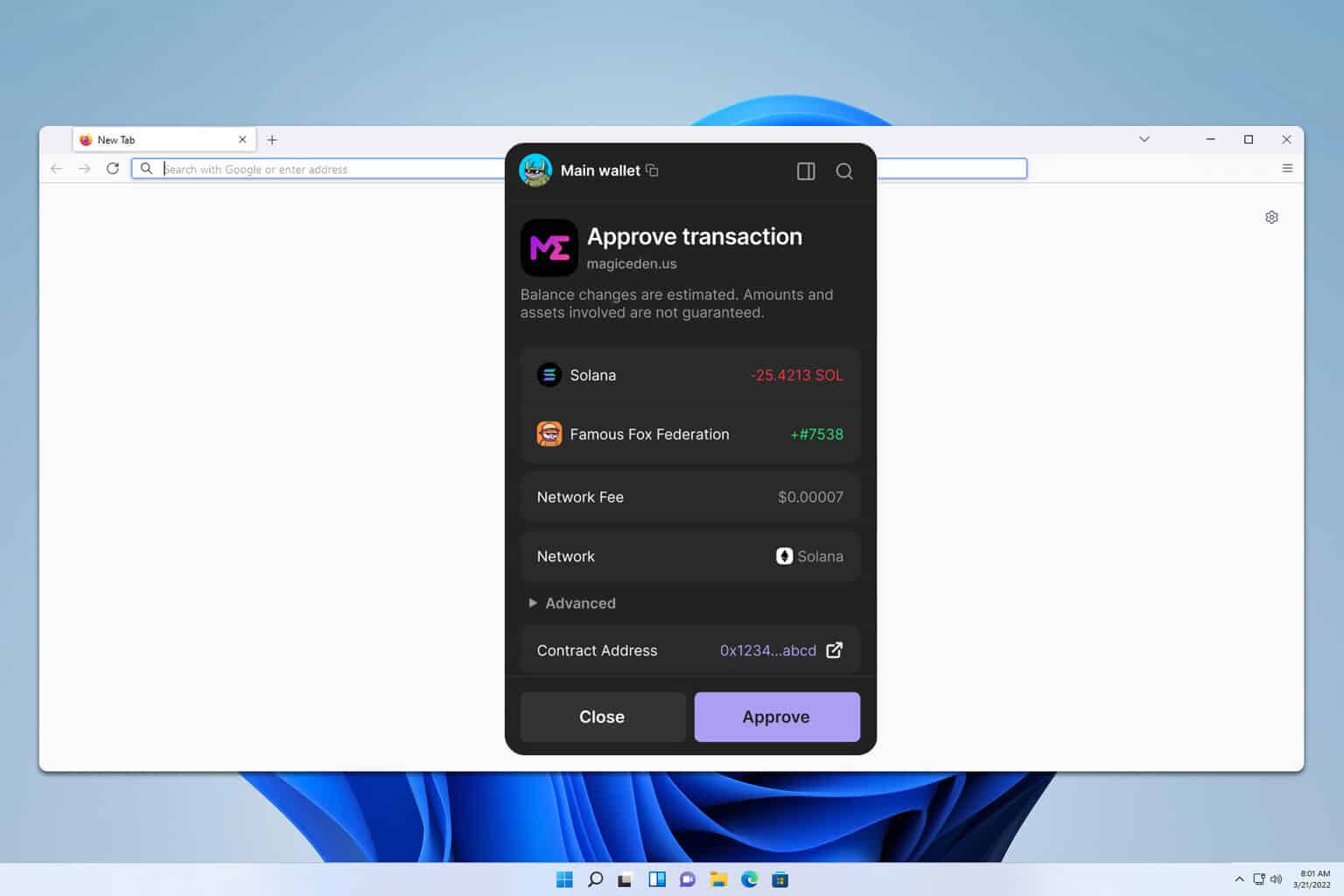
Transaction previews are readable and usually show program names, amounts, and addresses in a neat layout.
That’s important because many wallets shove raw program IDs at you, which is confusing.
On the other hand, sometimes program-level details are abbreviated, so I still cross-check on-chain data for big transfers.
I’m not 100% sure every user will do that, but advanced users generally need the extra traceability.
Here’s the thing.
Speed on Solana matters.
When mint drops or token sales happen, latency kills opportunities.
Phantom’s extension is lightweight, and connection handshake times are short, which reduces failed attempts during high traffic events.
That said, no extension is immune to network congestion or RPC node issues, so you still need patience sometimes.
Whoa!
Security is top of mind for me.
Extensions have an expanded attack surface compared to cold wallets.
Phantom mitigates risk with clear signing prompts and hardware wallet integrations, which I tested with a Ledger.
Actually, wait—let me rephrase that: the integration works, but you should follow their compatibility notes carefully because firmware versions matter.
Hmm…
A quick aside—(oh, and by the way…) I once almost approved a phishing signature because the dApp UI mimicked a popular site.
Thankfully, the extension flagged the request details and I caught it.
That incident made me value readable signature descriptions more than fanciness.
I still think user education is underemphasized across the ecosystem; good UX isn’t a silver bullet.
Practical tips for using phantom safely
Whoa!
Backups are not exciting but very very important.
Write down your seed phrase, and store it offline.
If you use multiple devices, consider hardware keys for cold storage of large balances.
My rule: small, active balances in extension; big holdings in hardware.
Really?
Only approve what you understand.
Pay attention to the list of accounts a dApp requests access to.
Consider creating secondary accounts for specific activities like trading or minting, so your main stash stays compartmentalized.
This is basic compartmentalization, but people skip it because it feels tedious.
Here’s the thing.
Review the transaction details before signing—every time.
Look at program IDs and the instruction types.
If you see unfamiliar program IDs, pause and check on-chain explorers; many scams are just misdirection.
My workflow: copy the program ID, paste into a block explorer, and confirm the contract’s purpose.
Whoa!
Keep your extension updated.
Developers push security patches and UX improvements frequently.
Auto-updates help, but double-check version notes if something looks off after an update.
Sometimes a new release changes prompts or flow in ways that trip users up, and being mindful prevents mistakes.
Hmm…
Use clear visual cues.
Phantom does a decent job with warning modals for risky operations.
Even so, some malicious dApps try to trick extensions by splitting operations into many small, benign-looking steps.
On one hand the extension can only surface so much context; on the other hand, dApp authors should be honest about their flows—though the ecosystem isn’t policing everyone yet.
Developer experience and integrations
Whoa!
As a developer, I appreciated the simplicity of Phantom’s API behaviors.
Connections are fairly standard, so integrating a web app with Phantom is straightforward.
There are also developer tools and guides which reduce friction for new dApp creators.
That ecosystem friendliness encourages better apps, and ultimately benefits users.
Really?
One quirk is how approvals are batched in some flows.
If your frontend does too much state juggling, users can get double prompts.
My advice: design flows with minimal back-and-forth and be explicit about what each signature accomplishes.
This reduces user confusion and fewer folks curse your UX in Discord.
Here’s the thing.
Wallet adoption depends on trust and clarity.
Phantom’s public audits and visible team help a lot.
Though, full transparency isn’t perfect; I still want more granular audit histories for every release.
That level of detail would make me sleep better at night, honestly.
Whoa!
Mobile flows are improving.
Phantom’s mobile pairing options bridge desktop and phone workflows.
Still, some dApps assume desktop only and create a janky experience on phones.
My long-term hope is that mobile and desktop parity improves, because many users live primarily on mobile now.
phantom—a practical recommendation
Wow!
If you’re exploring Solana and want a browser extension, phantom is a solid starting point.
It balances UX, speed, and security better than many of its peers.
Remember: no extension replaces basic safety practices—seed backups, cautious approvals, and using hardware wallets for large sums.
I recommend trying it with small amounts first and seeing how it fits your routine.
Really?
There are things that bug me—like hidden advanced settings and the occasional ambiguous program label.
But the overall experience is clean, and the team iterates quickly.
If you care about speed and a polished UI, phantom will likely click with you.
And if you want fewer surprises, do some on-chain sleuthing before signing big transactions.
Here’s the thing.
Adoption across marketplaces matters.
Phantom’s wide support in Solana dApps reduces friction when you move between platforms.
That network effect is meaningful: fewer integrations, fewer bugs, and more predictable behavior for users and developers alike.
Still, always exercise caution—popularity isn’t the same as perfection.
Frequently asked questions
Is Phantom safe to use for NFTs and tokens?
Short answer: yes, with caveats.
Phantom offers readable transaction prompts, hardware integrations, and frequent updates.
But safety depends heavily on your behavior—don’t approve unknown contract calls, keep seed phrases offline, and use separate accounts for risky activity.
I’m biased towards hardware for large holdings, but for everyday NFTs, the extension is fine if you stay alert.
Can I use Ledger with Phantom?
Yes.
Ledger integration is supported, and it adds a valuable security layer.
Make sure your Ledger firmware and Phantom versions are compatible before you pair them.
If something fails, don’t rush—check support notes and firmware updates first.
What should I do if a transaction looks weird?
Stop and verify.
Copy any program IDs or addresses into a block explorer and confirm what’s being called.
Reach out to official support channels if you suspect phishing.
Trust your gut—if somethin’ looks off, it probably is.